Description
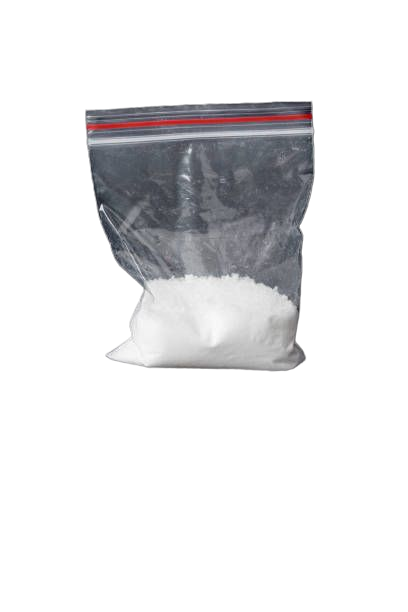
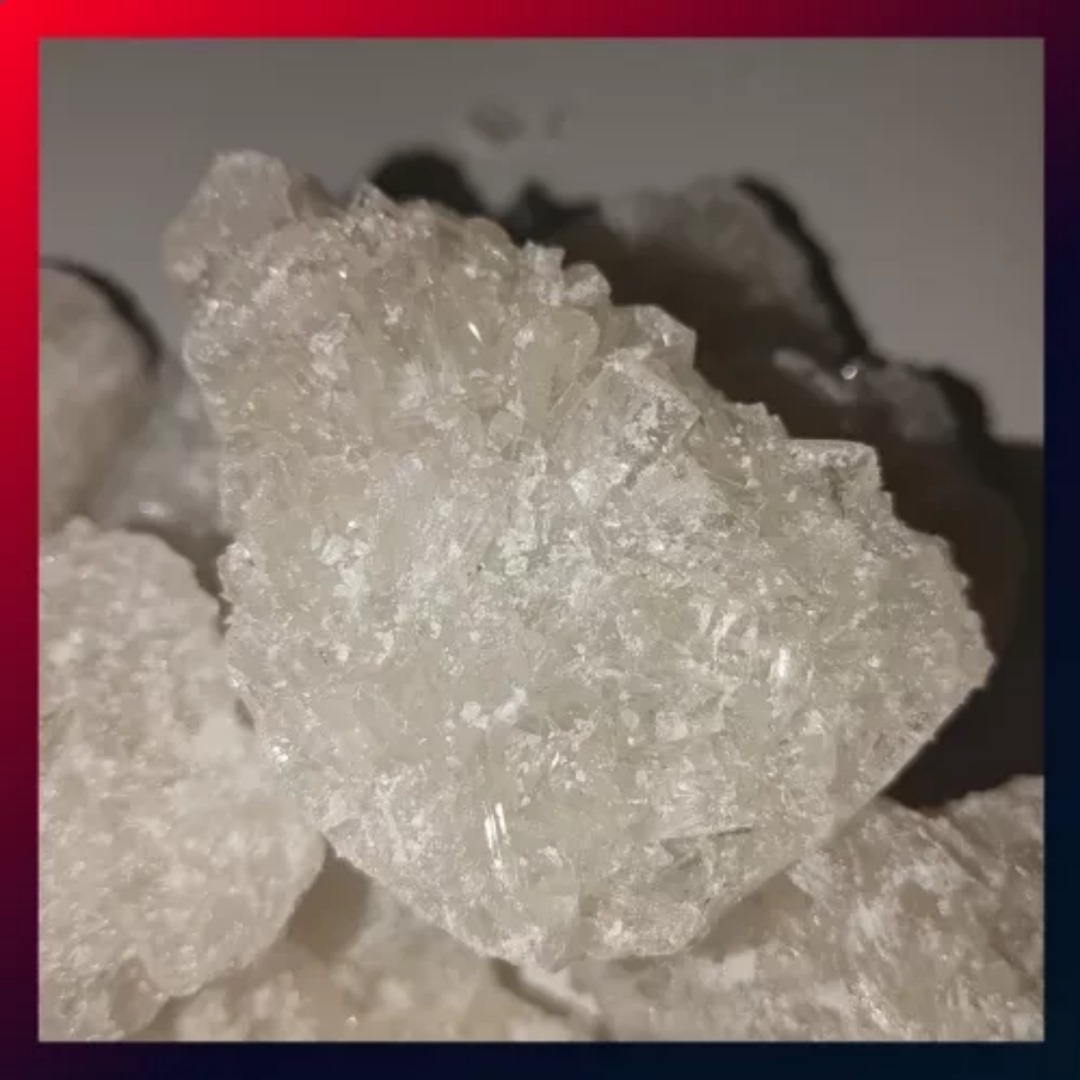
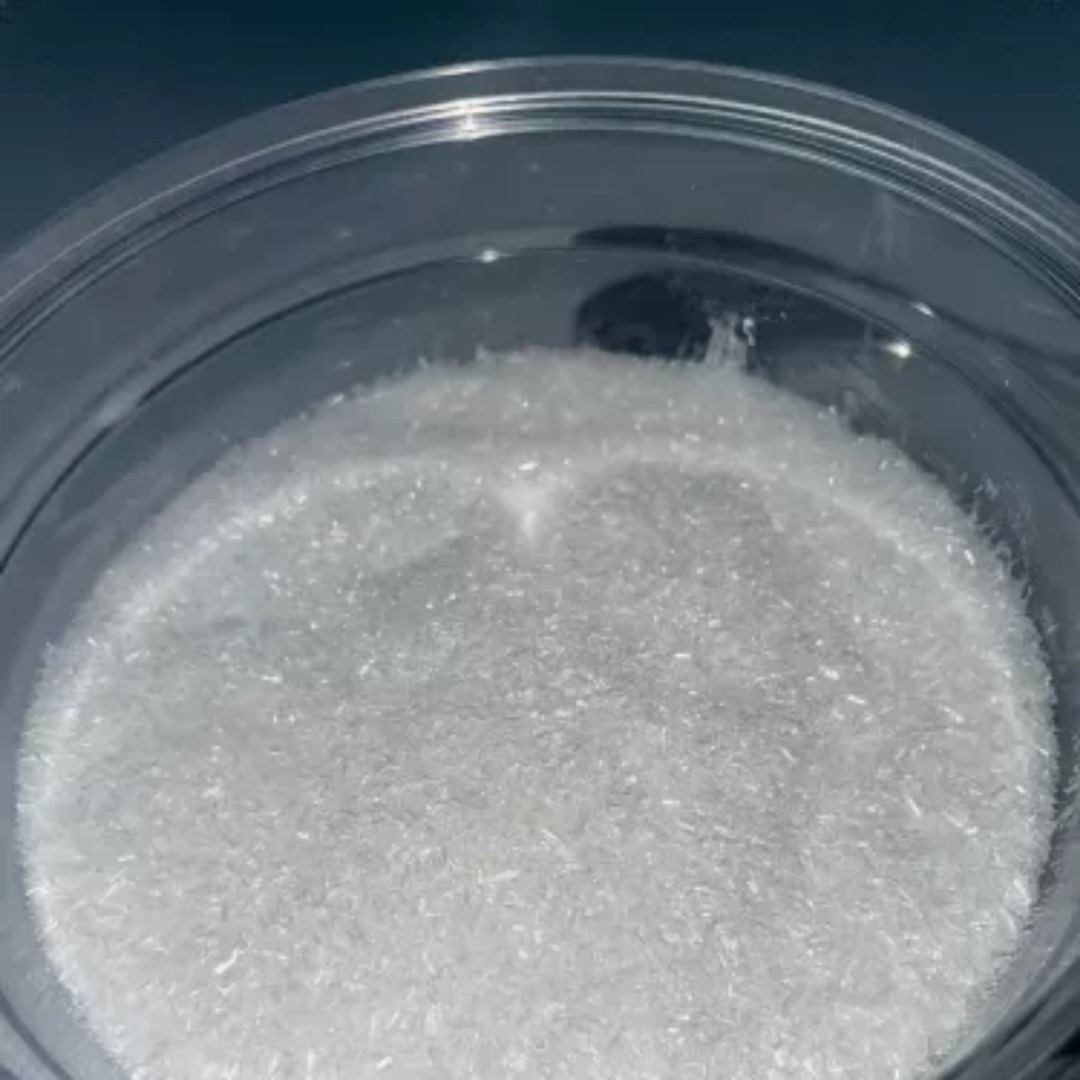
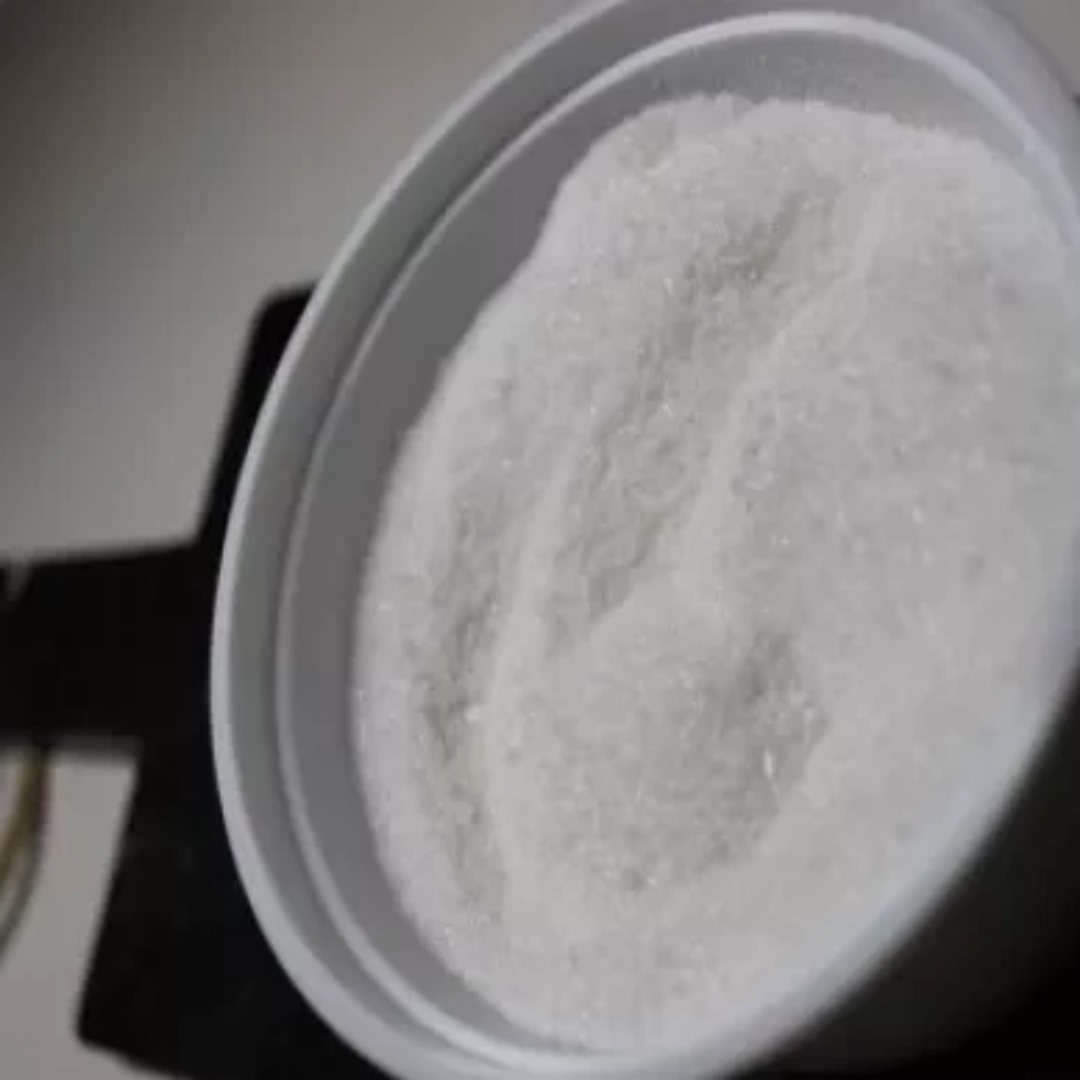
Ketamine Crystals
Ketamine Crystals: Structure, Medical Uses, Benefits, and Safety in Modern Medicine
Introduction
Ketamine has become one of the most widely studied anesthetic medications in modern medicine. Known for its rapid onset of action and unique neurological effects, ketamine plays an important role in anesthesia, pain management, and ongoing mental health research.
In pharmaceutical chemistry and laboratory research, ketamine may exist in ketamine crystal form, a purified solid state of the compound before it is formulated into injectable solutions or other medical preparations. Understanding ketamine crystals, their chemical properties, and their clinical applications helps researchers and healthcare professionals better utilize this important medication.
This comprehensive guide explores the ketamine crystal structure, medical uses, benefits, safety considerations, and ongoing scientific research surrounding ketamine.
What Are Ketamine Crystals?
Ketamine crystals, sometimes referred to in scientific contexts as crystal ketamine, represent the purified crystalline form of the compound ketamine hydrochloride before it is processed into pharmaceutical formulations.
In pharmaceutical laboratories, the ketamine crystal form is carefully studied to ensure:
-
Chemical purity
-
Molecular stability
-
Proper pharmaceutical formulation
-
Consistent dosing accuracy
The ketamine crystal structure is analyzed through advanced techniques such as:
-
X-ray crystallography
-
Molecular spectroscopy
-
Chemical stability testing
These studies allow pharmaceutical scientists to understand how the compound behaves at a molecular level and how it can be safely formulated for medical use.
Chemical and Pharmacological Properties of Ketamine
Ketamine belongs to a class of drugs known as dissociative anesthetics. It works primarily by interacting with the N-methyl-D-aspartate (NMDA) receptor in the brain.
Key chemical properties include:
-
Molecular formula: C13H16ClNO
-
Classification: Dissociative anesthetic
-
Solubility: Water-soluble when formulated as ketamine hydrochloride
The ketamine crystal structure allows scientists to study the compound’s pharmacological behavior and how it interacts with neural receptors involved in pain perception and consciousness.
Medical Uses of Ketamine
Ketamine has been used in medicine for more than five decades. order ketamine online, Its unique effects make it particularly valuable in situations where rapid anesthesia and pain relief are required.
1. Surgical Anesthesia
One of the most common uses of ketamine is as an anesthetic agent during medical procedures.
Unlike many other anesthetics, ketamine can:
-
Induce anesthesia quickly
-
Maintain airway reflexes
-
Preserve breathing function
This makes it especially useful in:
-
Emergency surgery
-
Trauma care
-
Field medicine
-
Short outpatient procedures
Ketamine is frequently used in emergency departments because it can provide effective anesthesia without significantly suppressing respiratory function ketamine crystal for sale
2. Emergency Medicine
Emergency physicians often use ketamine in critical situations where immediate sedation or anesthesia is required.
Examples include:
-
Severe trauma injuries
-
Burn treatment procedures
-
Rapid sedation for emergency interventions
-
Pediatric emergency care
Because ketamine acts quickly, it allows medical professionals to stabilize patients rapidly during life-threatening situations.
3. Pain Management
Ketamine is also used in specialized medical settings for chronic and acute pain management.
Certain types of pain respond particularly well to ketamine because of its unique neurological effects.
Conditions sometimes treated with ketamine-based therapies include:
-
Neuropathic pain
-
Complex Regional Pain Syndrome (CRPS)
-
Severe postoperative pain
-
Cancer-related pain
Pain specialists may administer controlled ketamine infusions in monitored clinical environments.
4. Mental Health Research
In recent years, ketamine has gained significant attention in psychiatric research.
Scientists are studying its potential effects in treating:
-
Treatment-resistant depression
-
Severe mood disorders
-
Post-traumatic stress disorder (PTSD)
-
Suicidal ideation in emergency psychiatric care
These treatments are only provided in licensed medical clinics or controlled research settings.
Research into the ketamine crystal form and pharmacology continues to help scientists better understand how the compound affects neural pathways linked to mood and cognition.
Benefits of Ketamine in Modern Medicine
Ketamine offers several advantages compared to traditional anesthetics and pain medications.
Rapid Onset
Ketamine can begin working within seconds to minutes, making it extremely valuable during emergency procedures.
Hemodynamic Stability
Unlike many anesthetic agents, ketamine tends to maintain cardiovascular stability. This makes it safer in certain trauma and emergency scenarios.
Unique Mechanism of Action
Because ketamine affects NMDA receptors, it works differently from opioids and other pain medications. This allows it to treat certain types of pain that may not respond well to standard treatments buy ketamine crystal online
Versatile Medical Applications
Ketamine is used in a wide variety of healthcare settings, including:
-
Hospitals
-
Emergency departments
-
Intensive care units
-
Pain management clinics
-
Research institutions
Administration Methods
Ketamine should always be administered by trained medical professionals.
Common medical administration methods include:
Intravenous (IV)
IV administration provides the fastest onset of action, often within seconds.
Intramuscular (IM)
IM injections provide slightly slower onset but can offer longer-lasting effects.
Controlled Infusion Therapy
In specialized pain clinics or psychiatric treatment centers, ketamine may be delivered through carefully controlled infusion protocols ketamine crystals for sale
Safety and Side Effects
Like all medications, ketamine can cause side effects. Medical supervision helps ensure safe use.
Short-Term Side Effects
Some patients may experience temporary effects such as:
-
Dizziness
-
Nausea
-
Elevated blood pressure
-
Dissociation or hallucinations
These effects usually resolve after the medication wears off.
Long-Term Risks
Improper or prolonged exposure to ketamine may increase the risk of:
-
Urinary tract complications
-
Cognitive changes
-
Psychological dependency
Healthcare providers carefully monitor patients to reduce these risks.
Legal and Regulatory Status
Ketamine is classified as a controlled medication in many countries.
In the United States, ketamine is listed as a Schedule III controlled substance, meaning:
-
It has accepted medical uses
-
Its distribution is regulated
-
Only licensed professionals may administer it
These regulations help ensure ketamine is used safely and responsibly in healthcare.
Ongoing Scientific Research
Researchers around the world continue studying ketamine’s potential applications.
Areas of ongoing research include:
-
New anesthetic protocols
-
Advanced pain therapies
-
Mental health treatments
-
Neurological disorder research
Understanding the ketamine crystal structure and pharmacology helps scientists design safer and more effective treatment approaches buy pure ketamine crystals online
Future Prospects in Medicine
The future of ketamine research looks promising.
Scientists are exploring how ketamine-based treatments may improve care for patients suffering from:
-
Chronic pain disorders
-
Severe depression
-
Neurological conditions
As research advances, ketamine may become an even more important tool in specialized medical treatments.
Conclusion
Ketamine remains one of the most versatile medications in modern healthcare. From surgical anesthesia to advanced psychiatric research, its unique pharmacological properties make it valuable in multiple areas of medicine.
The study of ketamine crystals and their molecular structure continues to play an important role in pharmaceutical science. By understanding the chemical properties of ketamine, researchers and healthcare professionals can continue improving treatments and ensuring safe medical use.



Reviews
There are no reviews yet.